
Once you’ve decided your pet needs professional transport rather than riding in your own car, the next question is almost always the same: ground or air? The right answer depends less on distance alone and more on your pet’s temperament, breed, budget, and how much direct oversight matters to you.
Cost: Ground Usually Wins for Long Distances
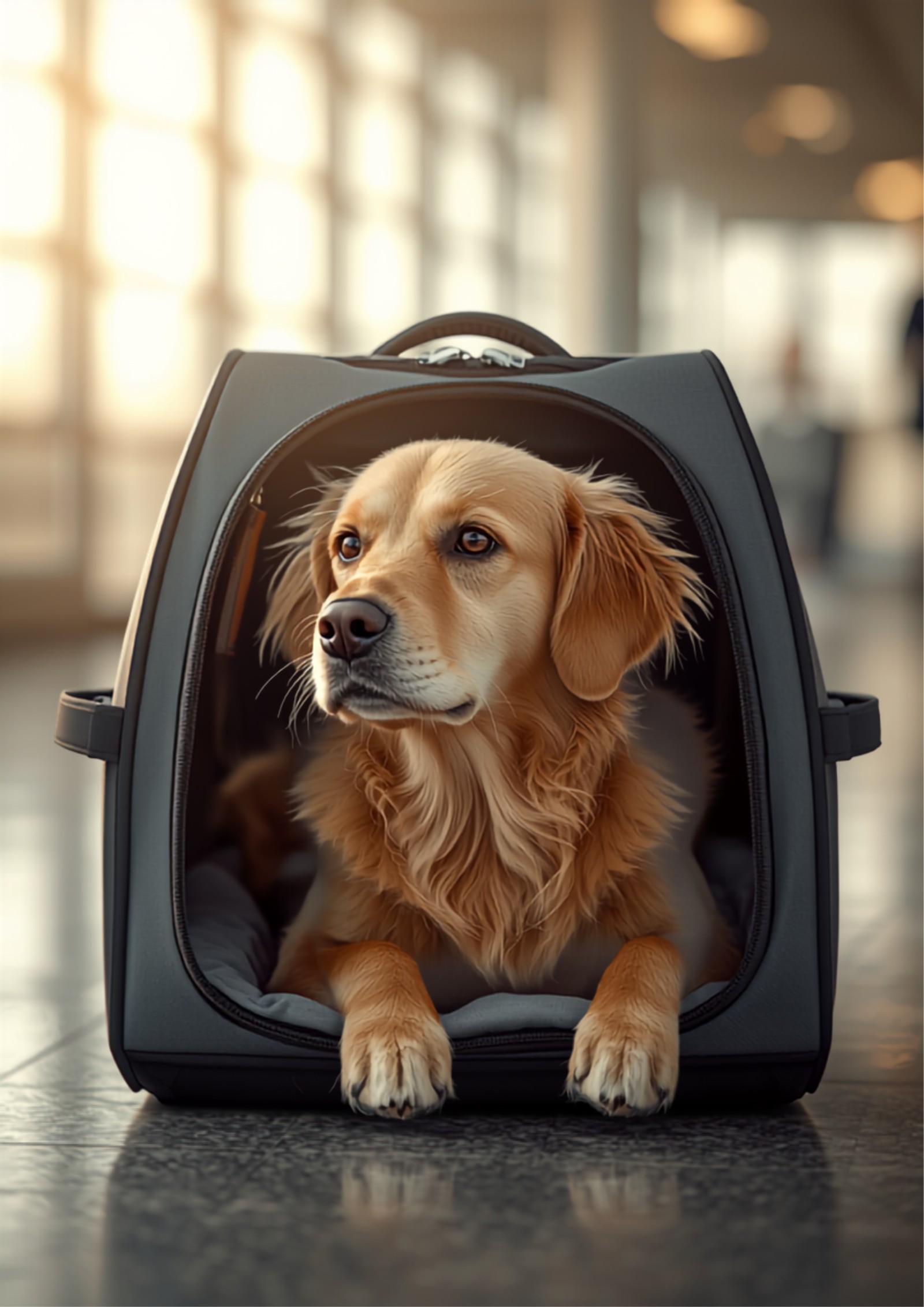
Flying a small dog or cat in-cabin runs around $125 one-way if you’re accompanying them yourself, but cargo-style shipping for larger pets typically runs $500–$1,000 given how few carriers still offer it. Door-to-door ground transport is generally the less expensive option for longer moves, and it comes with continuous human oversight the entire route — someone is physically present with your pet from pickup to delivery, not just at the airport curbs.
Speed: Air Still Wins on Time
There’s no getting around it — flying is dramatically faster over long distances. A cross-country move that takes three to five days by ground vehicle happens in a matter of hours by air. If timing is the priority — a new job start date, a move-in deadline — air remains the faster option where it’s available for your pet’s size and breed.
Stress on Your Pet: Ground Is Usually Gentler
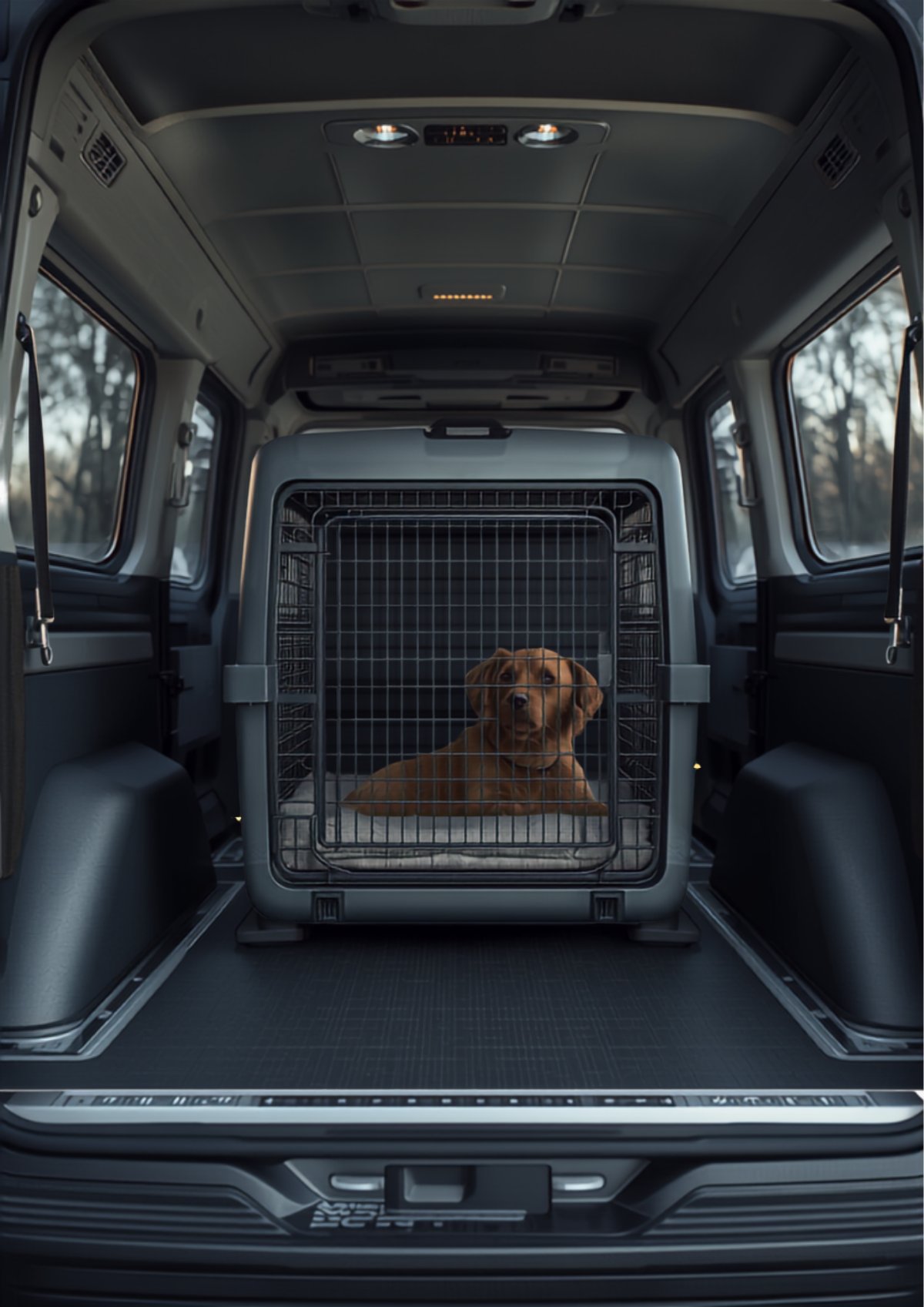
Pets traveling by air, particularly in a cargo hold when that option exists, are exposed to loud engine noise, unfamiliar smells, and real turbulence, with no one able to check on them or offer reassurance mid-flight. Ground transport in a temperature-controlled vehicle designed for animal comfort allows for regular stops, exercise breaks, and hands-on monitoring the entire way — which matters most for anxious pets, senior animals, or pets with medical conditions that need monitoring.
Breed and Size Restrictions Matter More Than They Used To
With Delta, United, and American all having scaled back or ended cargo pet transport for the general public, air travel for larger dogs is a shrinking option regardless of preference. Snub-nosed breeds are excluded from air travel entirely due to respiratory risk. For these pets, ground transport isn’t just the gentler option anymore — for many routes, it’s the only realistic one.
The Trade-Off in Ground Transport
The honest downside: long-distance ground transport takes time, and it requires driver changes, rest stops, and careful route planning to keep the trip humane and safe. It’s not a same-day solution the way a flight can be.
A Simple Way to Decide
If your pet is small, healthy, comfortable in a carrier, and your route has strong airline pet options, air travel can make sense. If your pet is a restricted breed, anxious, elderly, medically sensitive, or you simply want a person physically present with them the whole way, ground transport is very often the better call — and increasingly, the only one available for larger dogs regardless of preference.
Not sure which option fits your pet and route? Talk to PetTransPRO — we’ll walk through your pet’s specific needs and give you a straight recommendation, not just a quote.
PetTransPRO 팀 작성 · 모든 가이드는 당사 컨설턴트가 처리한 사례를 바탕으로 작성됩니다. 규정은 변경될 수 있으니 예약 전에 해당 노선의 최신 규정을 반드시 저희에게 확인하십시오.