

North America
Pet relocation from the Philippines to United States
The busiest route on our desk: Manila to Los Angeles, San Francisco, New York, Chicago, Guam and beyond, by cabin, checked baggage or manifested cargo when the airline and destination rules allow.
Moving a dog or cat from the Philippines to the United States needs a BAI export permit from the Philippine Bureau of Animal Industry, a CDC foreign-rabies form endorsed by an official Philippine government veterinarian, a valid rabies vaccination record, and — for dogs — the CDC Dog Import Form submitted before travel with the arrival date and port. Dogs arriving from a high-risk country and dogs returning without a US-issued rabies vaccination certificate, also need a rabies serology (titer) test. A healthy, fully vaccinated pet with complete documents usually travels within about 2 months of starting the process; delays come from missing vaccination dates, not flights.
Requirements reviewed October 2026. Rules change — we confirm the current position for your route before anything is booked.
Typical lead time
about 2 months for dogs, about 1 month for cats
Rabies titer test (dogs)
Needed for dogs to avoid the 28-day quarantine
Rabies titer test (cats)
Not required
Microchip
Required for dogs — any chip a universal scanner reads
Flights
Cabin, checked baggage or manifested cargo, when the airline and route allow
Our experience
Los Angeles, Tampa, Indiana, New York, Guam
Import permit
Not for the continental US — Guam and Hawaii have their own
What your pet needs
Requirements for United States
The steps below are the ones that decide your departure date. Everything else follows from them.
Rabies vaccination
Dogs must have a current rabies vaccination, given at least 28 days before entry when it is the first one and never before the microchip. We time it early, because a vaccination given in the week of the flight cannot support the antibody test this route needs.
Rabies titer test (dogs)
The Philippines is on the CDC's high-risk list for dog rabies, so a foreign-vaccinated dog needs a passing antibody result to avoid the alternative: 28 days of quarantine at a CDC-registered animal care facility. The blood is drawn at least 30 days after the first valid rabies vaccination and at least 28 days before arrival, the dog must be at least six months old, and it has to arrive by air at the airport of the facility it is booked into. Cats do not need it. The blood sample has to be taken at the right point in the vaccination timeline, so we confirm which case applies to your dog before anything is booked.
CDC Dog Import Form
Dogs entering the United States need the CDC Dog Import Form submitted close to arrival, with a photo of the dog. The receipt travels with the pet's documents.
CDC form and Philippine endorsement
The CDC Certification of Foreign Rabies Vaccination and Microchip form is completed by your veterinarian and endorsed by an official Philippine government veterinarian — USDA endorsement is not required for a Philippine-vaccinated dog. The CDC Dog Import Form is submitted before travel, and for a high-risk-country dog the receipt is valid for the one date and port shown on it.
Microchip for dogs
Dogs need a microchip a universal scanner can read — CDC does not require a particular chip standard — and the number has to match the documents. We scan and verify it before the file is finalised.
Snub-nose breeds
French Bulldogs, Pugs, Shih Tzus, Persians and other brachycephalic animals face airline embargoes and heat restrictions. We match the breed to an airline that accepts it and choose the season carefully.
Crate compliance
Crates must meet IATA live-animal rules for the airline and aircraft hold: dimensions, ventilation, water and food bowls accessible from outside, absorbent bedding and live-animal labels.
How the work is sequenced
Step by step
- 1
Veterinary work
Vaccinations updated against a microchip a universal scanner can read, the crate fitted to the pet's measurements, and the records set that the CDC forms will quote.
- 2
Rabies titer test (dogs)
The blood sample is drawn at least 30 days after the veterinary work and tested for a passing rabies antibody result — the route that keeps a foreign-vaccinated dog out of the 28-day animal care facility quarantine. Cats have no CDC federal titer requirement.
- 3
CDC requirements submitted (dogs)
At least 30 days before the target departure date: the CDC Dog Import Form, the certification of foreign rabies vaccination and microchip endorsed by an official Philippine veterinarian, the approved port of entry, and the animal care facility reservation where one is needed. Cats have no CDC federal requirement.
- 4
Veterinary clearance
Within five days before the flight: the veterinary health certificate, the BAI export permit, and the airline's acceptance of the pet and the crate.
- 5
Flight date
The pet flies from the approved port of entry and is cleared on arrival.
Answers
United States questions we get asked
If your question is not here, message us — the answer depends on your pet, not on a template.
How long does it take to send a pet from the Philippines to the United States?
Plan for about 2 months. Vaccination status and airline availability are the deciding factors, not the paperwork — the documents themselves are usually issued inside two weeks once the veterinary work is complete.
Do dogs flying to the USA need a titer test?
It depends on your dog's history. Cats do not need one. A dog from the Philippines needs one unless it holds a valid US-issued rabies vaccination certificate: a passing result from a CDC-approved laboratory is what keeps it out of the 28-day quarantine at a CDC-registered animal care facility. The blood is drawn at least 30 days after the first valid rabies vaccination and at least 28 days before arrival, and the dog must be at least six months old. We confirm which case applies to your dog before anything is booked. Titer testing is also required for the United Kingdom, the European Union, Japan, South Korea, Hong Kong, Singapore and Australia, where it adds months.
Can my pet fly in the cabin to the United States?
Some airlines allow small dogs and cats in the cabin on specific aircraft and routes, and it depends on the pet's weight with its carrier. Most medium and large pets travel as manifested cargo, which is a separate, climate-controlled procedure handled through the airline's cargo division.
What does it cost to move a pet from Manila to Los Angeles?
The quote is built from crate size, the airline rate for the actual weight, the veterinary and documentation work, and any season surcharge. Send your pet's measurements and target date and we will price the specific route rather than quote a range that does not apply to you.
Case studies
Relocations we completed on this route
Written from the owners' own reviews.
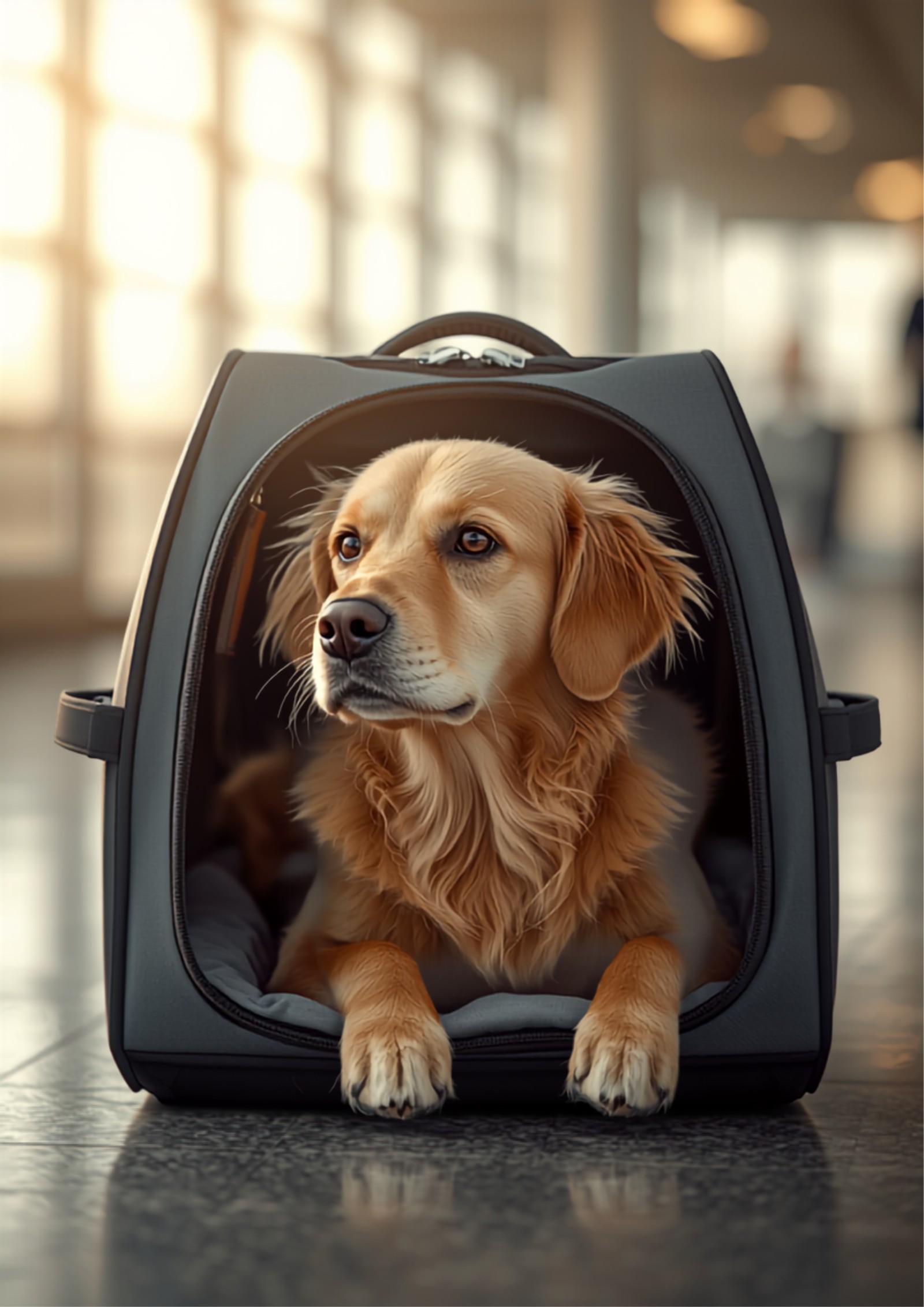
A French Bulldog's journey from Manila to Los Angeles
Covi is a French Bulldog — a snub-nosed breed that many airlines refuse to carry. His owners chose us specifically for our experience with brachycephalic dogs, and we flew him from Manila to Los Angeles with a layover in Narita.
Read the story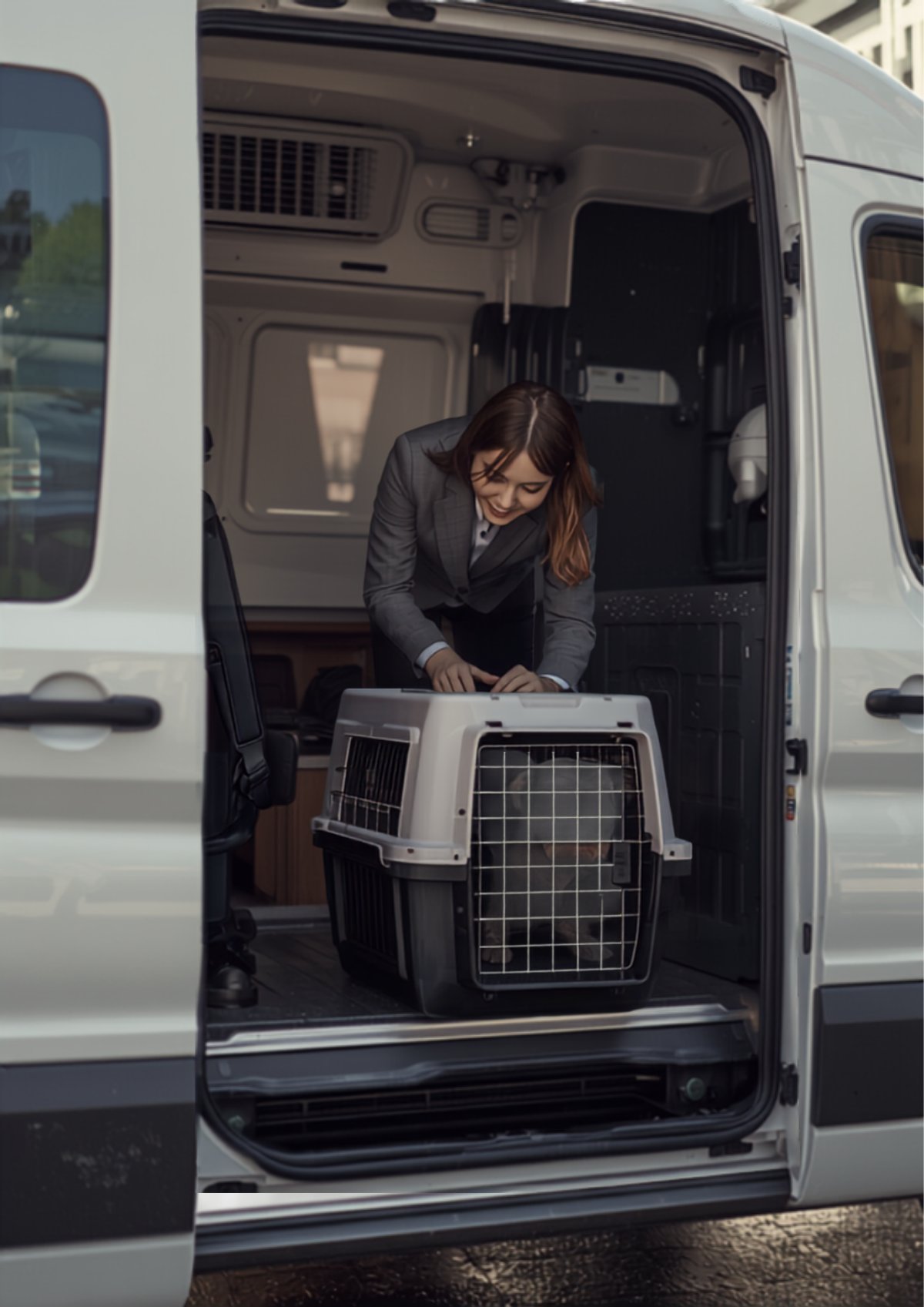
Toby to Indiana: CDC rules, a moving date, and constant updates
Toby's relocation landed in the middle of the new CDC rules for dogs entering the United States, and the family's schedule shifted more than once. We re-planned around both.
Read the story
Two dogs, one move: Zola and Duncan go to the USA
Moving two dogs at once doubles the paperwork and the coordination. We handled both animals in parallel — clinic visits, permits and flight bookings — so the family made a single departure date.
Read the storyReady to start?
Send us your pet's origin, destination and travel date. A team of specialists reviews it and replies with the documents, a relocation plan and an itemized quote.